Professional Aquatic Classes for All Ages and Skill Levels
Professional swimming lessons serve a diverse audience, supporting all ages and skill levels. They offer structured guidance that improves both skill development and safety in the water. Instructors tailor their approach, addressing the unique needs of each participant. This focus not only builds essential techniques but also fosters confidence. Grasping the full scope of benefits and challenges in swimming lessons can influence one's experience in profound ways. What might those insights reveal?
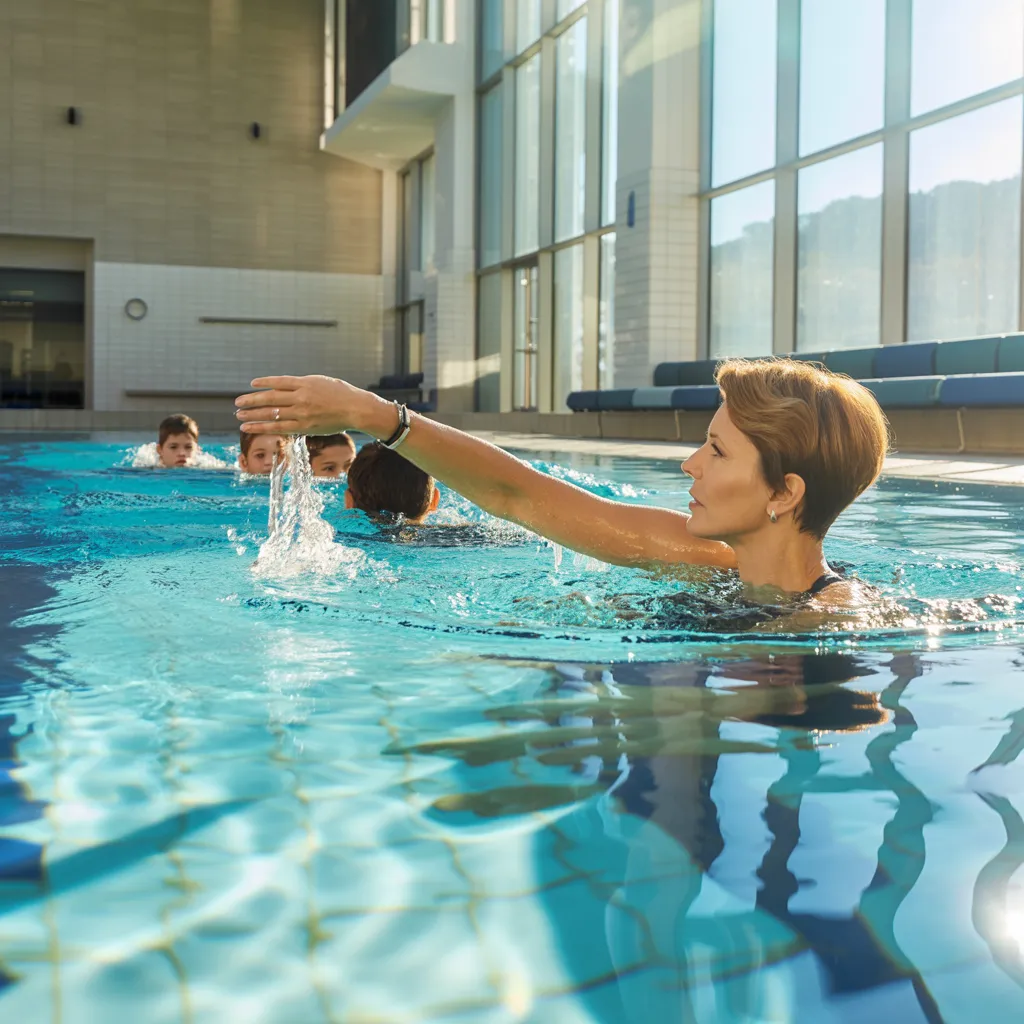
The Rewards of Professional Swimming Classes
While many individuals may think about self-taught swimming as a viable alternative, the benefits of formal swim instruction are undeniable. Working with qualified coaches provides structured guidance that improves educational effectiveness. Experts can assess each person's abilities and tailor instruction to match, making sure that the instruction meets particular requirements. Safety is an additional paramount benefit; certified instructors teach fundamental skills to minimize dangers, especially for novices.
In addition, professional lessons establish a disciplined environment, supporting consistent practice and accountability. Instructors regularly introduce various swimming styles and techniques that self-taught individuals might overlook, advancing students' skills. Additionally, group lessons promote social interaction, which can enhance motivation and enjoyment. Finally, professional swimming lessons often integrate progress tracking, enabling individuals to see their improvements over time. Overall, these lessons not only strengthen swimming skills but also instill confidence, making them a worthwhile investment for learners of all ages.
What You'll Encounter During Your Initial Swim Lesson
When starting their first swim class, individuals can expect a organized overview to the basics of swimming. Teachers typically start with an overview of safety protocols and pool etiquette, ensuring that students feel secure in the water setting. After this, learners are guided through essential skills, including floating, kicking, and basic arm movements.
During the training, educators highlight the value of breath control and physical alignment, utilizing practical shows and physical support to facilitate learning. Students can anticipate a positive setting, where feedback is beneficial and adapted to their personal requirements.
As the session unfolds, swimmers may perform basic tasks to cultivate confidence and coordination. The session usually terminates with a recap of what was learned, building a sense of pride and readiness for future lessons. This initial beginning sets the foundation for further skill development and appreciation in the water.
Finding the Perfect Swimming Course for You
What approach should a person apply to identify the appropriate aquatic program tailored to their preferences? Individuals need to start by evaluating their current ability level and individual goals, whether it means mastering basic techniques, improving endurance, or preparing for competitions. Exploring nearby centers and their services is vital; courses often differ in structure, duration, and instructor qualifications.
Next, prospective participants should consider the age group and class size. Smaller groups present more personalized attention, notably important for novices. Moreover, checking for certifications and experience of the instructors can guarantee superior instruction.
Finally, touring the facility to assess the atmosphere and speak with staff can offer valuable information. This holistic approach will help individuals select a swim class that not only fits their ability but also corresponds to their personal objectives, ensuring a fulfilling educational journey.
Essential Swimming Techniques Every Beginner Should Master
When beginning your swimming journey, new swimmers must concentrate on core methods that create the foundation of their abilities. Critical areas include mastering proper body alignment, grasping proper breathing methods, and comprehending the basics of stroke technique. These elements are essential for developing self-assurance and proficiency in the water.
Body Placement Basics
Beginners aiming to improve their swimming skills must master posture, which is pivotal. Proper alignment while in the water can enhance speed and efficiency greatly. Focusing on maintaining a horizontal position is necessary, guaranteeing the body remains streamlined to limit drag. The head should be neutral, with eyes directed downward to support natural spinal alignment. Additionally, a slight tilt downward of hips and legs helps that they float just below the surface, reducing unnecessary resistance. Arm placement plays a vital role; they should be fully extended in front during strokes to contribute to a balanced position. By understanding these fundamentals, swimmers can create a solid foundation, which leads in more advanced technique development as they move forward in their training. Overall, good body positioning has a major impact on swimming performance.
Core Breath Techniques Essentials
Breathing techniques hold a crucial role in a swimmer’s ability to keep endurance and productivity in the water. For beginners, mastering proper breathing is necessary to achieve a controlled and effective stroke. Swimmers need to exhale underwater, allowing for a prompt and unobtrusive inhalation when the head turns sideways. This method not only saves effort but also minimizes drag. Furthermore, practicing rhythmic breathing aids relaxation and supports maintaining a steady pace. Timing is vital; inhaling too early or late can disrupt the stroke's flow. Beginners are encouraged to practice bilateral breathing, which balances their stroke and improves overall body coordination. Regular practice of these techniques forms a solid foundation for future swimming development.
Stroke Fundamentals Introduction
Proper stroke mechanics are fundamental for any swimmer looking to enhance their form and effectiveness in the water. Beginners should focus on learning four key strokes: freestyle, backstroke, breaststroke, and butterfly. Each stroke demands specific body positioning, arm movements, and kick techniques. In freestyle, a sleek body is essential, with alternating arm strokes and a flutter kick. Backstroke emphasizes rotation of the pelvis and consistent arm recovery. Breaststroke calls for a glide phase and a powerful frog kick, while butterfly requires simultaneous arm movement and a dolphin kick. Additionally, maintaining proper breathing patterns enhances overall performance. By focusing on these essential stroke mechanics, beginners can build a solid foundation for their swimming journey and achieve greater proficiency in the water.
Address Usual Aquatic Obstacles
Overcoming typical aquatic obstacles is crucial for swimmers of all ages and skill levels. Many beginners experience fear about entering the water, which can hinder their ability to learn effectively. Professional swimming lessons often tackle this issue by gradually familiarizing students with the aquatic environment, establishing trust through organized exercises.
A common challenge entails mastering breath regulation. Instructors emphasize the value of rhythmic breathing techniques to improve comfort and performance in the water. Additionally, stroke enhancement can be a considerable difficulty. Swimmers may experience trouble with coordination and proficiency, which can lead to fatigue.
Professional instructors offer personalized guidance, supporting swimmers identify and correct mistakes. They also teach drills focused on specific strokes, emphasizing proper body position and movement. By confronting these challenges directly, swimmers can improve check this their skills and savor a more fulfilling experience in the water.
Swimming Lessons: Critical Competencies for Protection and Well-being
Swim lessons play an indispensable role in equipping individuals with fundamental skills that enhance both safety and health in the water. Learning to swim not only reduces the risk of drowning but also cultivates confidence in aquatic environments. Instructors emphasize critical techniques such as floating, treading water, and proper breathing, which are vital for personal safety.
In addition, swimming lessons strengthen physical health by developing cardiovascular endurance, muscle strength, and flexibility. Frequent practice can also alleviate stress and enhance mental well-being. For children, these lessons provide a foundation for lifelong swimming skills, fostering a healthy lifestyle from an early age.
Moreover, comprehending water safety protocols, such as spotting hazards and handling emergencies, is essential to the curriculum. As individuals move through lessons, they develop not only swimming proficiency but also a appreciation for the water, securing a safer experience for themselves and others.
Regularly Requested Questions
What Time Frame Are Swimming Lessons Commonly Organized?
Swimming lessons typically run between 30 minutes to an hour. The duration may differ based on the age and skill level of the participants, with younger children often receiving shorter sessions to maintain engagement and focus.
What Ought to I Wear to Swimming Lessons?
Swimmers must don a pleasant swimsuit appropriate to their body type, accompanied by a swim cap to tame hair. Goggles are suggested for eye safety, while flip-flops or sandals are ideal for walking to the pool.
Is Individual Instruction More Effective Compared to Group Learning?
Private lessons commonly give individualized attention and tailored teaching, making them beneficial for individual progress. However, group lessons establish a social environment, stimulating commitment and unity, which can also boost the educational experience for many.
Can I Register for Lessons if I'm Apprehensive of Water?
Yes, individuals can participate in lessons even if they are fearful of water. Instructors typically customize approaches to help build self-assurance and ease, ensuring an encouraging environment that supports slow acclimatization and ability improvement.
What Are the Top Ways to Track My Progress in Swimming?
Creating defined targets, tracking lap times, analyzing stroke techniques, and consistently evaluating endurance helps swimmers track their swimming progress. Swim logs or apps enable swimmers to see improvements and maintain high motivation throughout their journey.